Guides
Guides
Practical guides to electricity, batteries, solar, EV charging and heating — with formulas, worked examples, charts and calculators that help you understand the numbers and make better comparisons.
Start here
 BatteriesRuntime formulaUsable energy divided by load. The formula is trivial; getting the two inputs right is where runtime estimates fail.
 ElectricityWatts vs kilowatt-hoursA watt is a rate. A kilowatt-hour is a quantity. Your bill only charges you for the second one.
 HeatingHeat pump running costRunning cost is heat demand divided by seasonal efficiency, multiplied by your electricity price. Every disagreement is about one of those three numbers.
 SolarPeak sun hoursA peak sun hour is not an hour of daylight. It is a unit of energy pretending to be a unit of time.
Electricity
6 guides Refrigerator wattsA fridge draws its rated watts only while the compressor runs — which is roughly a third of the time. That distinction decides both your bill and your backup sizing.
- Watts vs kilowatt-hoursA watt is a rate. A kilowatt-hour is a quantity. Your bill only charges you for the second one.
 Read your meterTwo readings and a date give you a number no appliance estimate can argue with: your actual consumption.
 Bill vs calculationMultiplying kWh by the rate on your tariff sheet almost always under-predicts the bill. Here is where the rest of the money goes.
 Standby powerA few watts sounds like nothing until you multiply it by 8,765.8 hours.
 Nameplate vs actualThe label states a maximum. Duty cycle turns it into a number you can put on a bill.
Batteries
6 guides Depth of dischargeDepth of discharge is the difference between the number on the spec sheet and the energy you are allowed to take out.
- Runtime formulaUsable energy divided by load. The formula is trivial; getting the two inputs right is where runtime estimates fail.
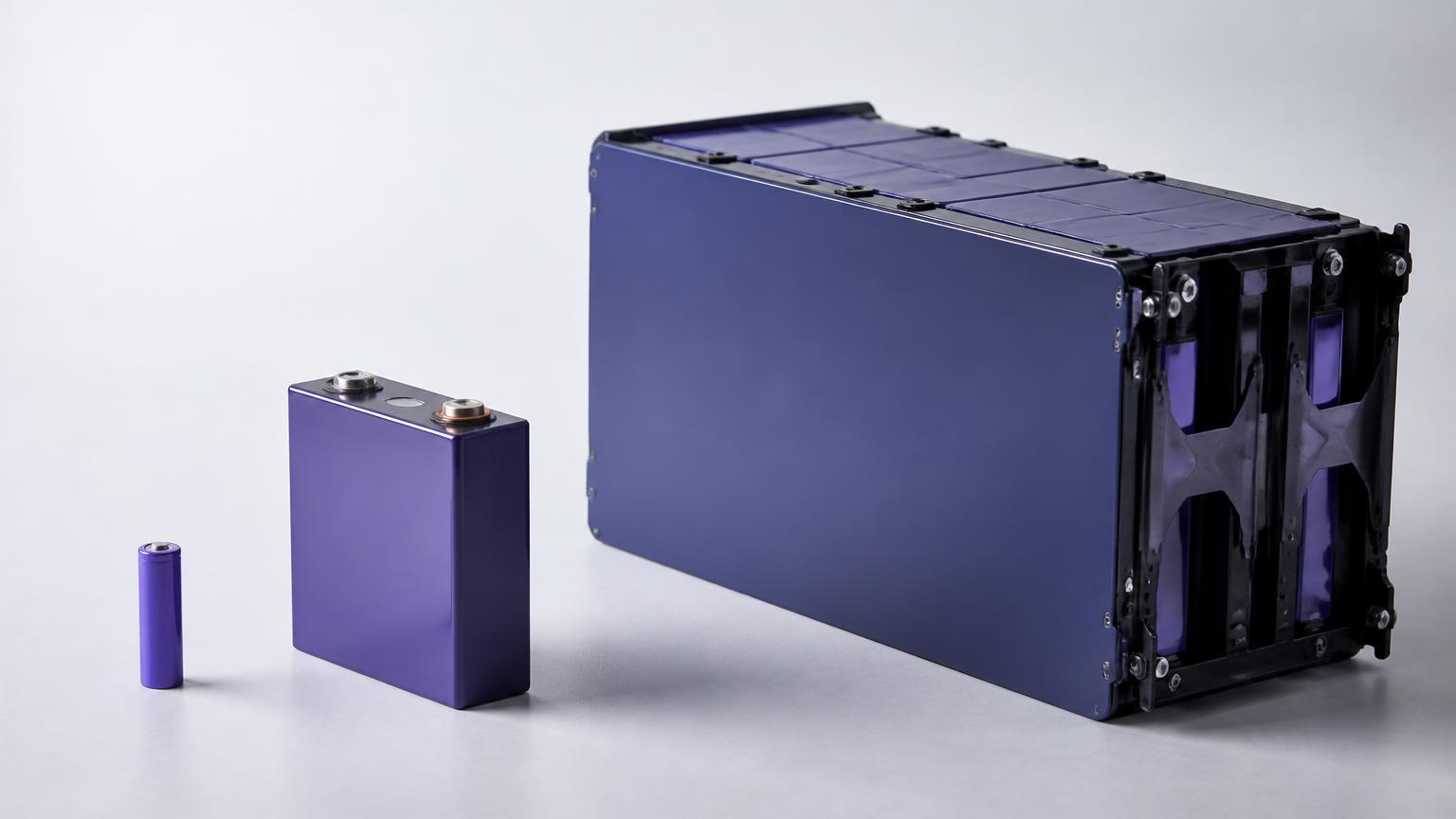 Ah vs Wh vs kWhAmp-hours only mean something if you also know the voltage. That single omission is why battery comparisons go wrong.
 Temperature effectsA battery in an unheated garage in January is not the same battery the datasheet describes.
 10 kWh ≠ 10 kWhDepth of discharge and inverter conversion take their share before a single appliance sees any energy.
 Capacity vs powerEnergy and power are separate limits. A battery can hold plenty of energy and still fail to start a well pump.
Solar
4 guides Best solar panel angleEnter your city or ZIP for a recommended tilt and direction, then see what your own roof gives up. There is an angle that maximises the year, an angle that favours winter, and the angle your roof already has — and the gap is usually smaller than people expect.
- Peak sun hoursA peak sun hour is not an hour of daylight. It is a unit of energy pretending to be a unit of time.
 Rated vs real outputThe rating on the panel is measured in a laboratory at conditions your roof almost never sees.
 Winter vs summerAnnual production is a comforting number. The monthly shape is the one that decides whether solar covers your winter bill.
EV charging
5 guides EV charging costCharging cost is energy into the pack, divided by charging efficiency, multiplied by the price you actually pay per kWh — and the last term is the one that varies most.
 EV charging timeBattery size divided by charger power gives the ideal time. Everything that makes real charging slower is predictable, and most of it is not the charger.
 Charging slows at 80%The taper is not a fault and not a marketing limit. It is what a lithium cell requires as it fills.
 AC vs DC chargingYou pay for energy at the wall. Your car reports energy in the pack. Those are never the same number.
 EV efficiency unitsThree units, three regions, one physical quantity — and one of them runs the wrong way round.
Heating
3 guides- Heat pump running costRunning cost is heat demand divided by seasonal efficiency, multiplied by your electricity price. Every disagreement is about one of those three numbers.
 Efficiency vs temperatureEfficiency falls exactly when you need heat most. That is the whole design problem in one sentence.
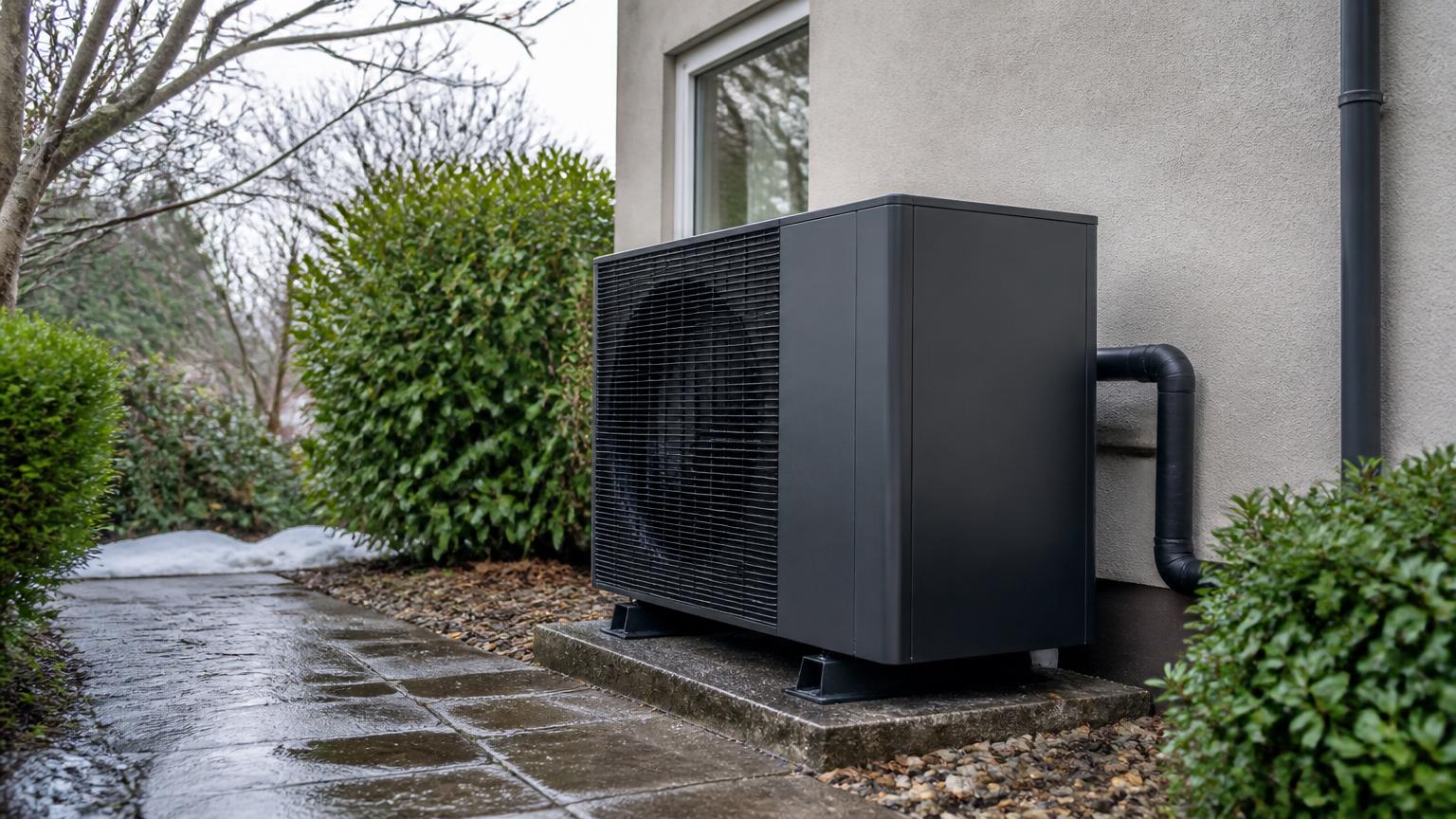 COP vs SCOPOne is a measurement at a single favourable operating point. The other averages a whole heating season.
Want the underlying numbers? The methodology page documents every formula used across the site, and assumptions lists each default value and where it comes from.